
Sparkling Debut
From Yunnan’s ancient tea plantations to global tables, how one distiller pivoted from gin to sparkling tea and tapped into a cultural and consumer revolution

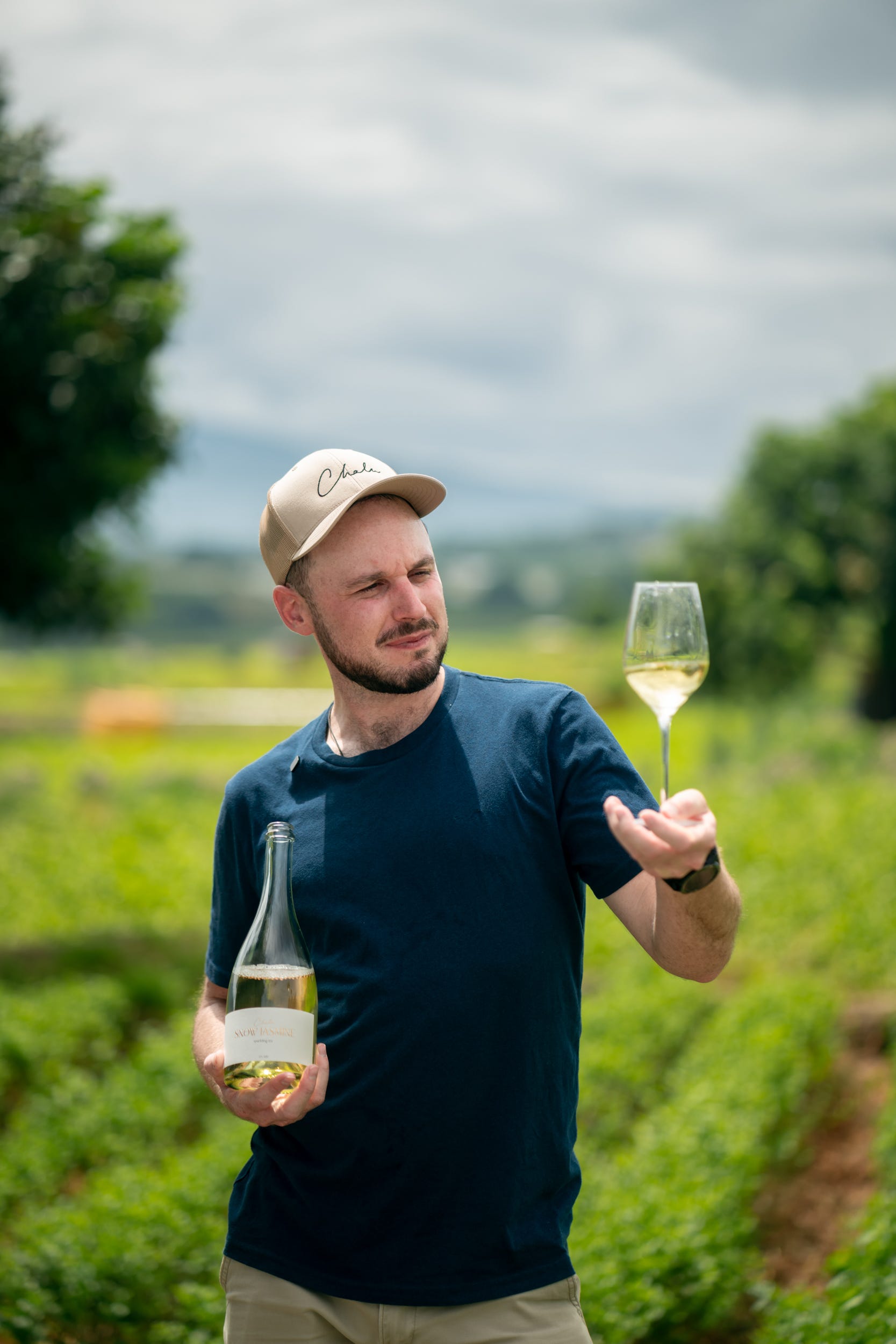
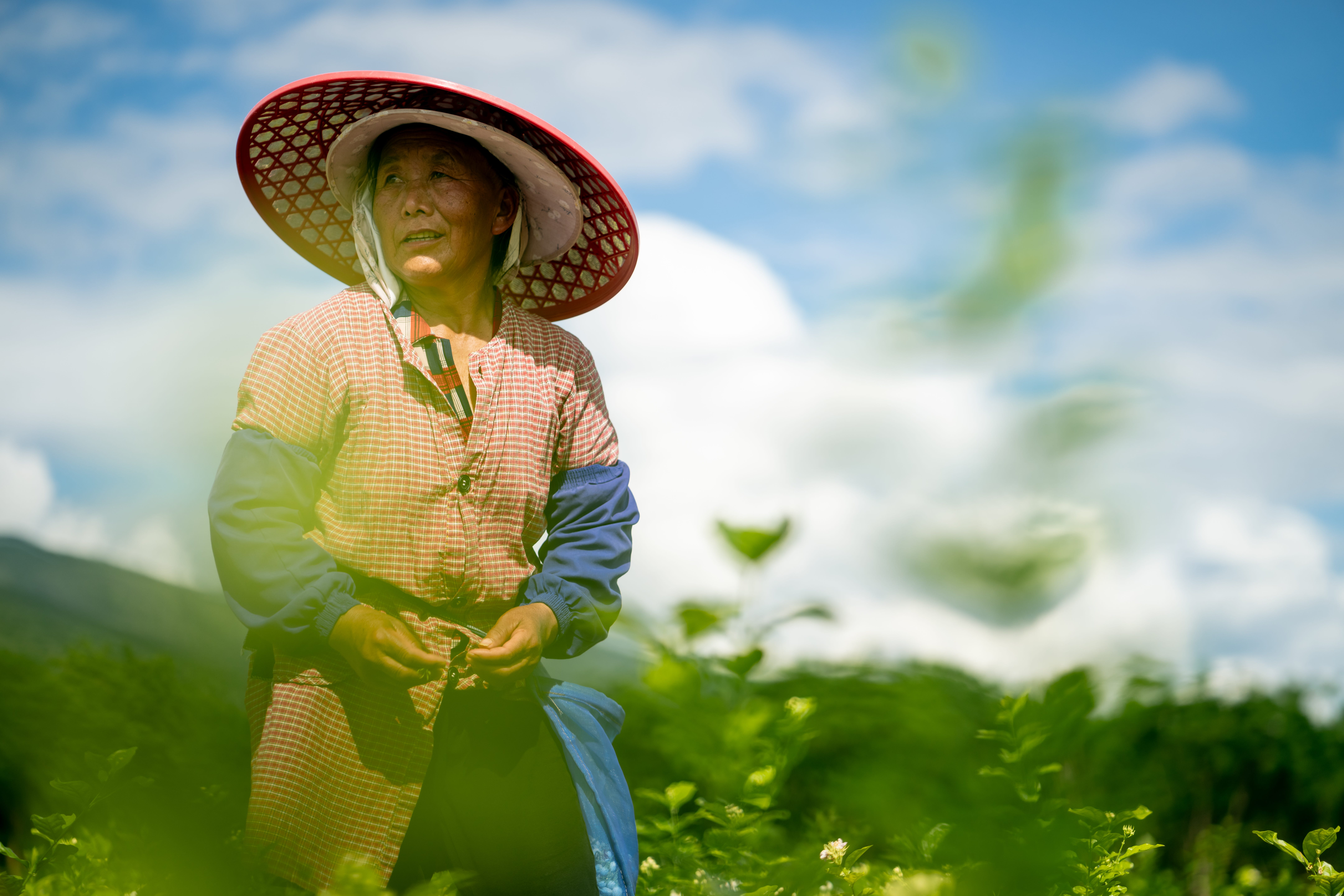
When Fraser Kennedy popped open a bottle of his latest creation at a remote village in Yunnan, he braced for skepticism. Instead, the local elder sipped, smiled, and said, “This is incredible — we are very happy. You have truly captured the essence of our harvest.”
For Kennedy, that moment mattered more than any award or social media buzz. It was validation from the source — the people whose ancestors have cultivated tea for centuries.
Originally from New Zealand, Kennedy, is — along with his wife, Mia Sun, and Canadian Graeme Kennedy (no relation) — the co-founder of Chalu, a sparkling tea brand born from a bold pivot. Just two years ago, after many years in Shanghai as head brewer for Goose Island craft beer, he was deep in China’s craft-spirits scene, producing premium small-batch gins in Yunnan province under his own Rambler label.
But as post-Covid realities hit and gin sales tanked, Kennedy faced a sobering truth: alcohol consumption was dropping fast, especially among younger generations, and the gin market had become oversaturated.
“I remember when I really hit rock bottom,” he recalls. “I was in Hong Kong, chasing a distributor around the city’s bars, but they always seemed to be one step ahead of me. It felt like chasing that girl in high school who’s just not interested.”
Then came the lightbulb moment. Tired of the chase, he ducked into a wine bar to drown his sorrows. A chat with the bartender revealed a new local trend: non-alcoholic sparkling teas, and soon he was sipping a glass of the Hong Kong brand Mindful Sparks.
“I’d never heard of the drink,” Kennedy admits. “Here I was, living in Yunnan — the tea capital of China — and I had never even considered tea as a base ingredient.”
With his background in brewing and distilling, he started experimenting back at his Lijiang distillery — cold-brewing Yunnan teas, carbonating them, and creating prototypes. The first sip won over his toughest critic: his wife. “She said, ‘Holy sh*t, this is pretty special.’ That was all I needed.”
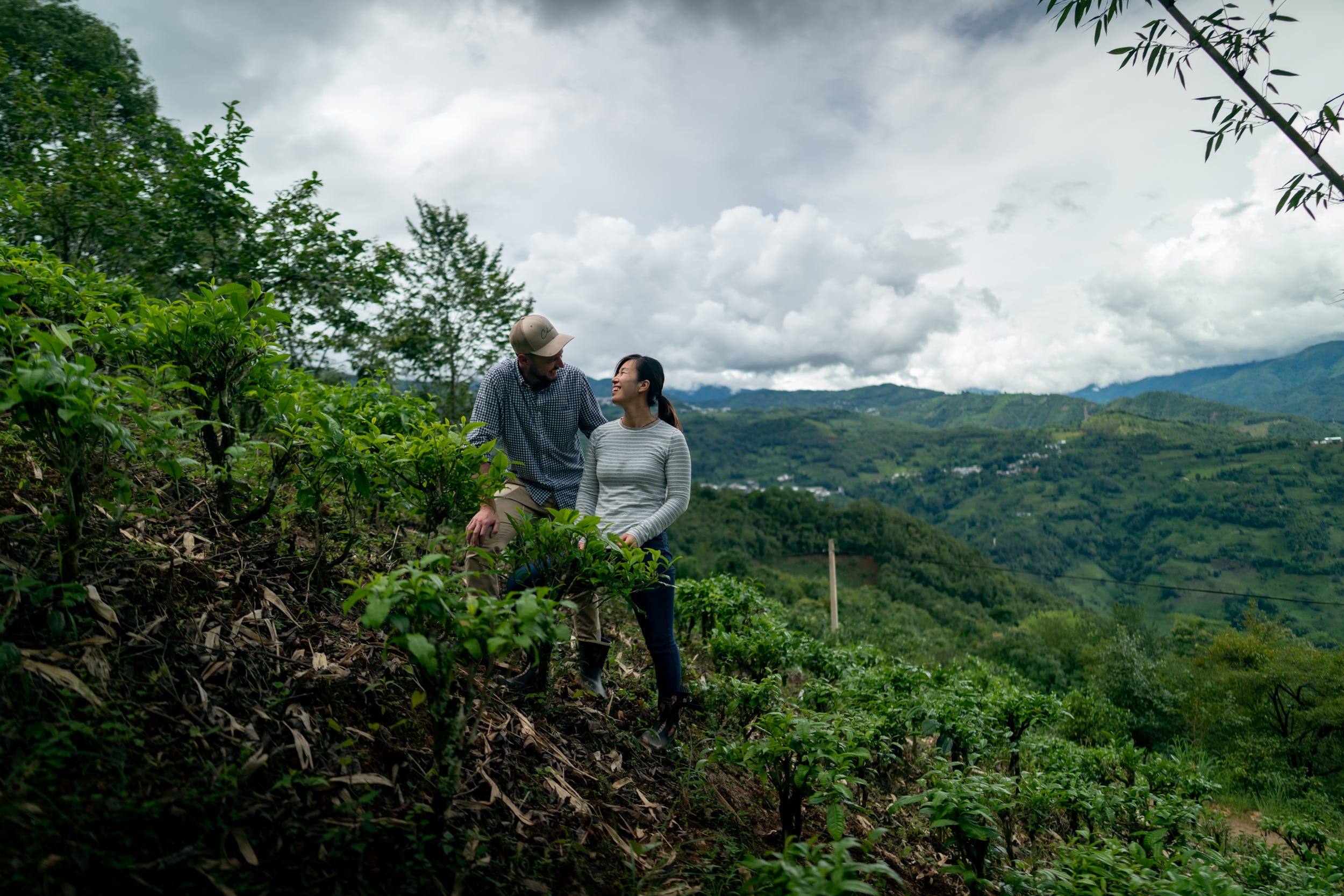
The pair first met at Goose Island, where Shanghai native Sun was the budgeting manager, keeping Fraser’s craft beer ambitions grounded in reality. Now, she’s the financial brains behind Chalu, overseeing accounting, cash flow, budgeting, marketing, and government relations. The couple’s life in rural Yunnan, however, is a world away from the bright lights of her hometown. “I’m not sure how I got the big city girl to move to the country,” laughs Kennedy.
Sun is also a certified tea sommelier. In the early days, she sourced all their teas, a role they now share. “At the start, I just gave her simple flavor requests — bitterness, aroma characteristics — she was the one who actually found the good stuff,” he recalls.
Kennedy then invited Graeme, an acquaintance from Shanghai’s drinks scene, under the pretense of discussing a new line of liqueurs. “I pulled a fast one on him,” Kennedy laughs. “But after an evening of sampling the sparkling tea, he was buzzing the next morning — couldn’t sleep. He said, ‘This is it. This is the future.’”
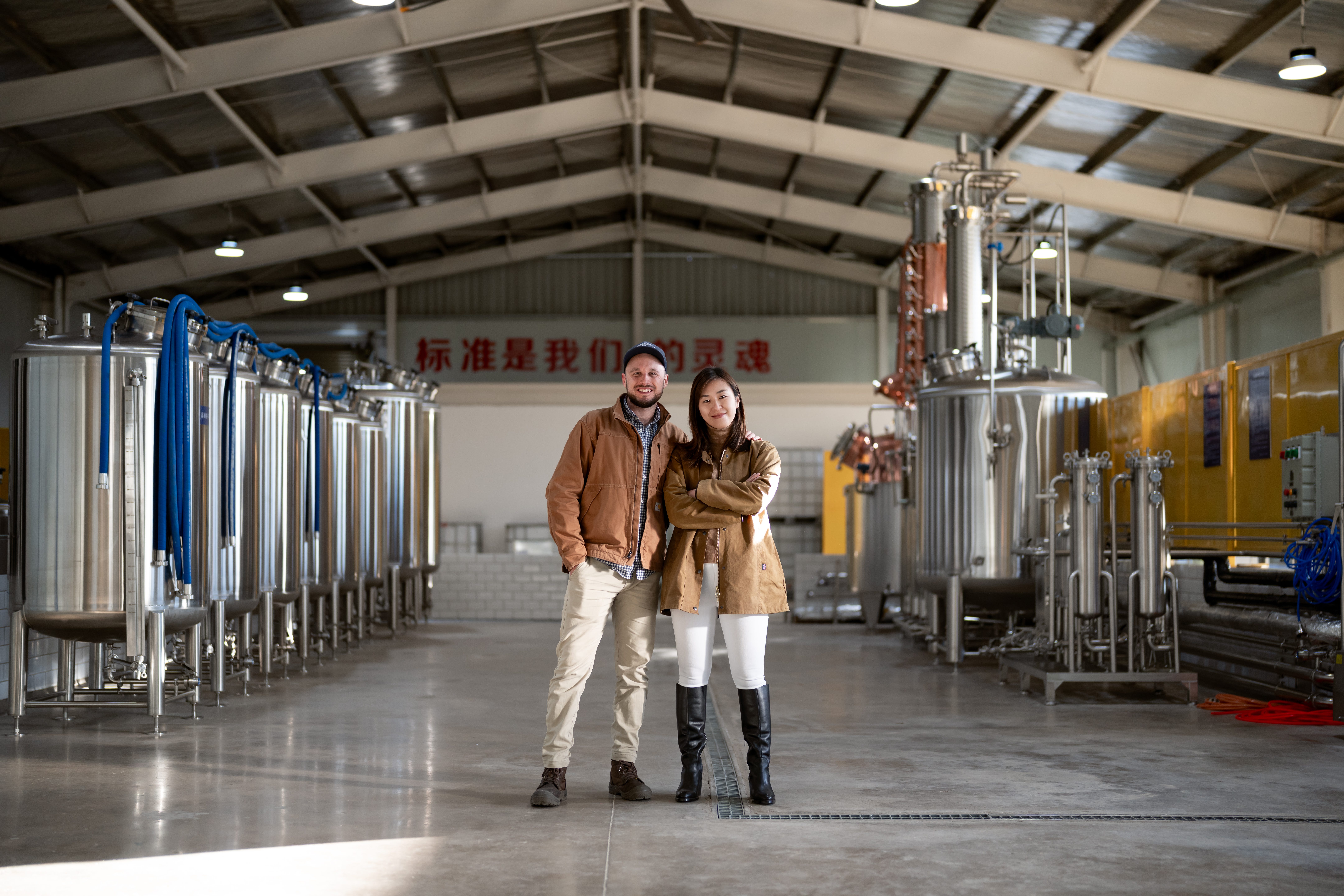
Together, the trio launched Chalu — literally, “tea road”— named after the millennium-old Tea Horse Road, a network of trade routes that once carried Yunnan tea to the Tibetan plateau. Their production facility, however, is anything but ancient: a spotless, light-filled workspace on the industrial edge of Lijiang, lined with stainless-steel tanks, brewing vessels, and custom filtration systems. “Our mission is simple,” Kennedy says. “We want to take the taste of Yunnan tea to the world.”
The timing couldn’t be better. Global non-alcoholic beverage sales have surged past their alcoholic alternatives in many markets, driven by health-conscious consumers and a cultural shift away from drinking. “Hangovers suck,” Kennedy says bluntly. “People are waking up to that.”
But sparkling tea isn’t just a substitute — it’s an experience. “We’re not trying to make alcohol-free wine,” Kennedy explains. “We’re creating something adjacent: a drink with bubbles, provenance, and a story. Something you can pop at a celebration without the booze.”
Graeme adds: “Why does alcohol have to be the only way you celebrate something? That seems bogus to us. Why can’t we pop a bottle of Chalu and celebrate a little win, without the side effects?”
Unlike sugary sodas or mocktails, Chalu’s appeal lies in its complexity. Each tea variant — jasmine, oolong, pu’er — offers layered flavors and terroir-driven character. “You can geek out on it just like wine,” says Kennedy. “But you can also drink three bottles at a business meeting and walk out in a straight line.”
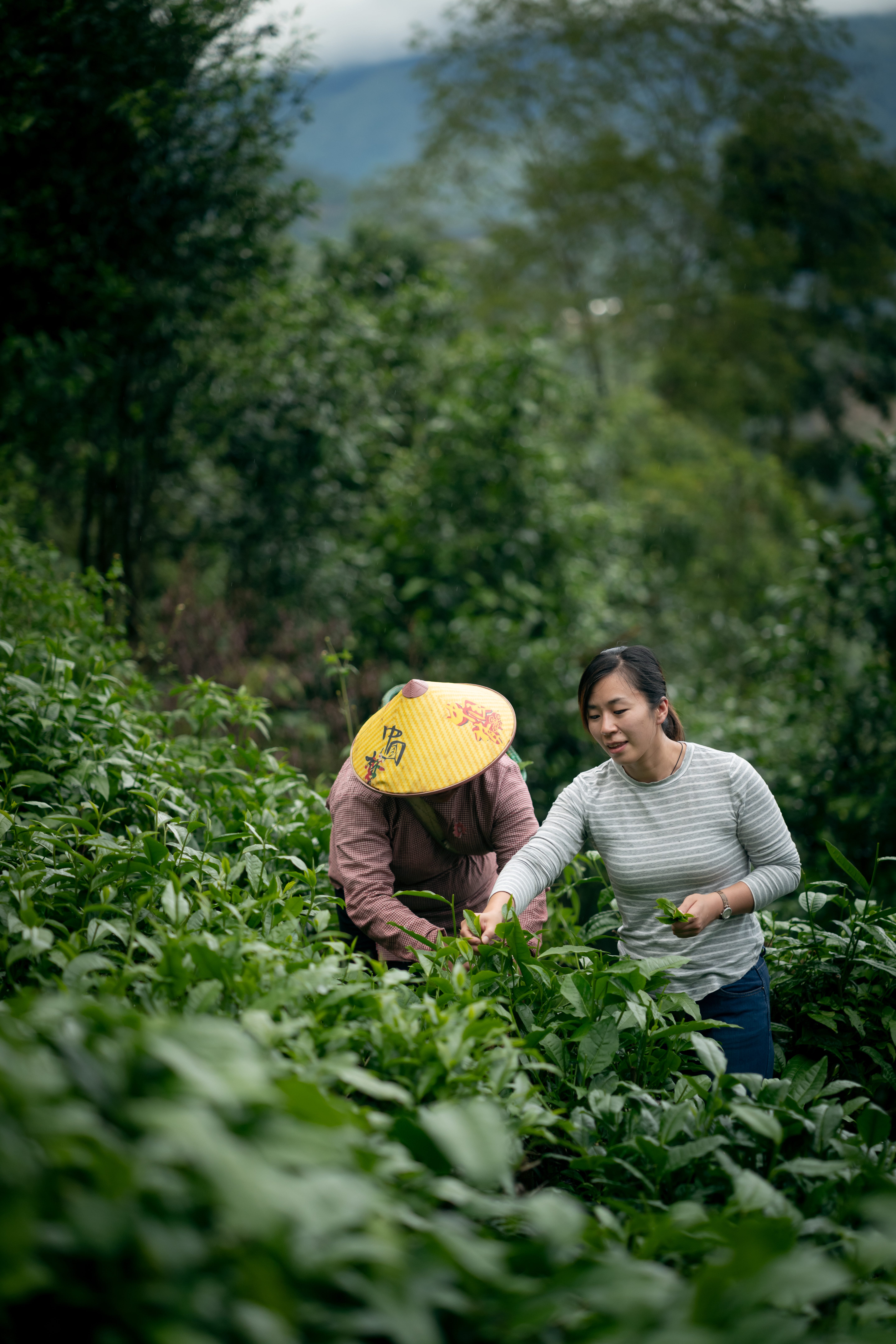
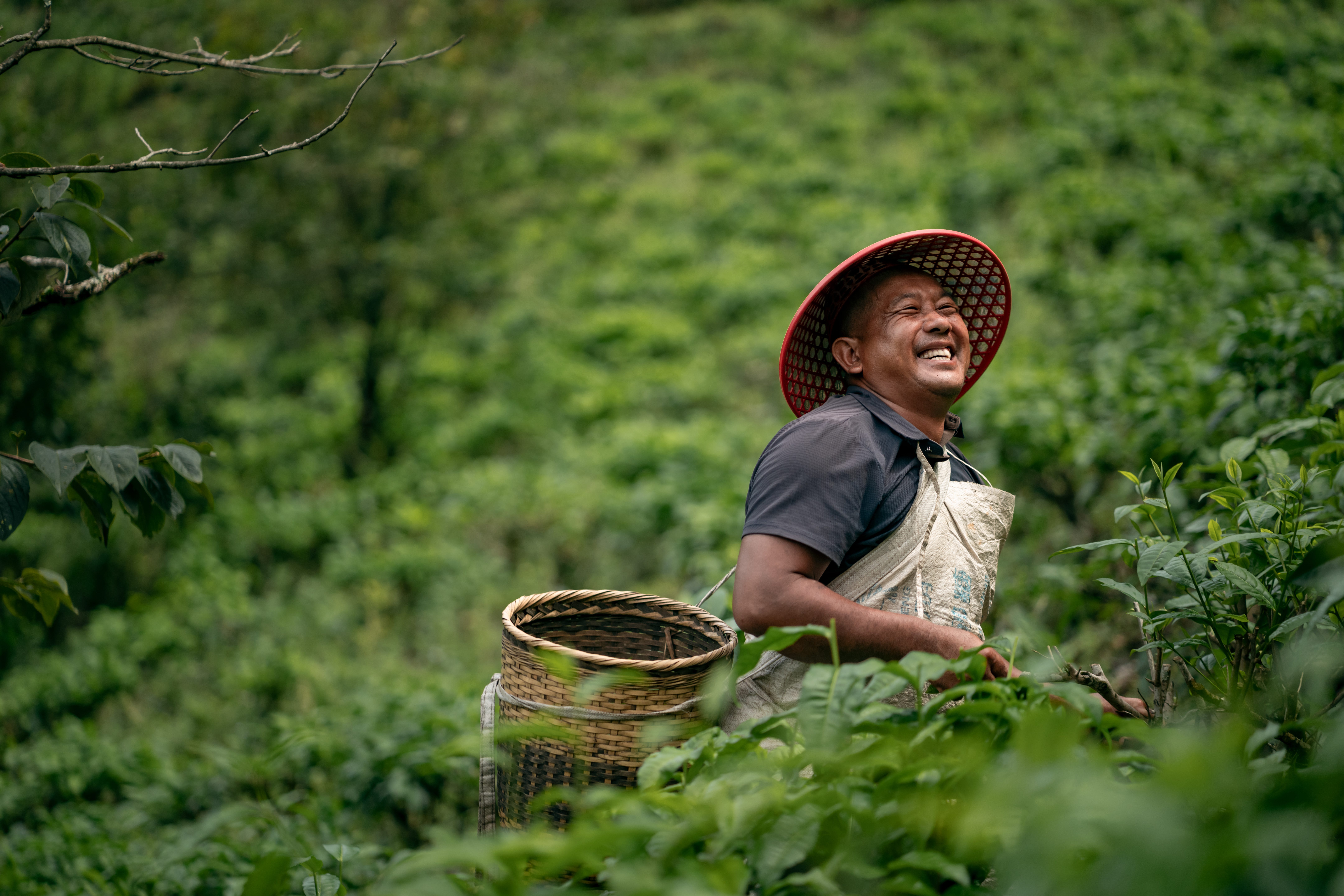
The soul of Chalu is its sourcing. Kennedy and his team work directly with tea farmers, including the Bulang people, China’s smallest ethnic group, who have cultivated pu’er for centuries. “Some of these trees are possibly 600 years old,” Kennedy marvels. “To take that heritage and present it in a modern format — that’s powerful.”
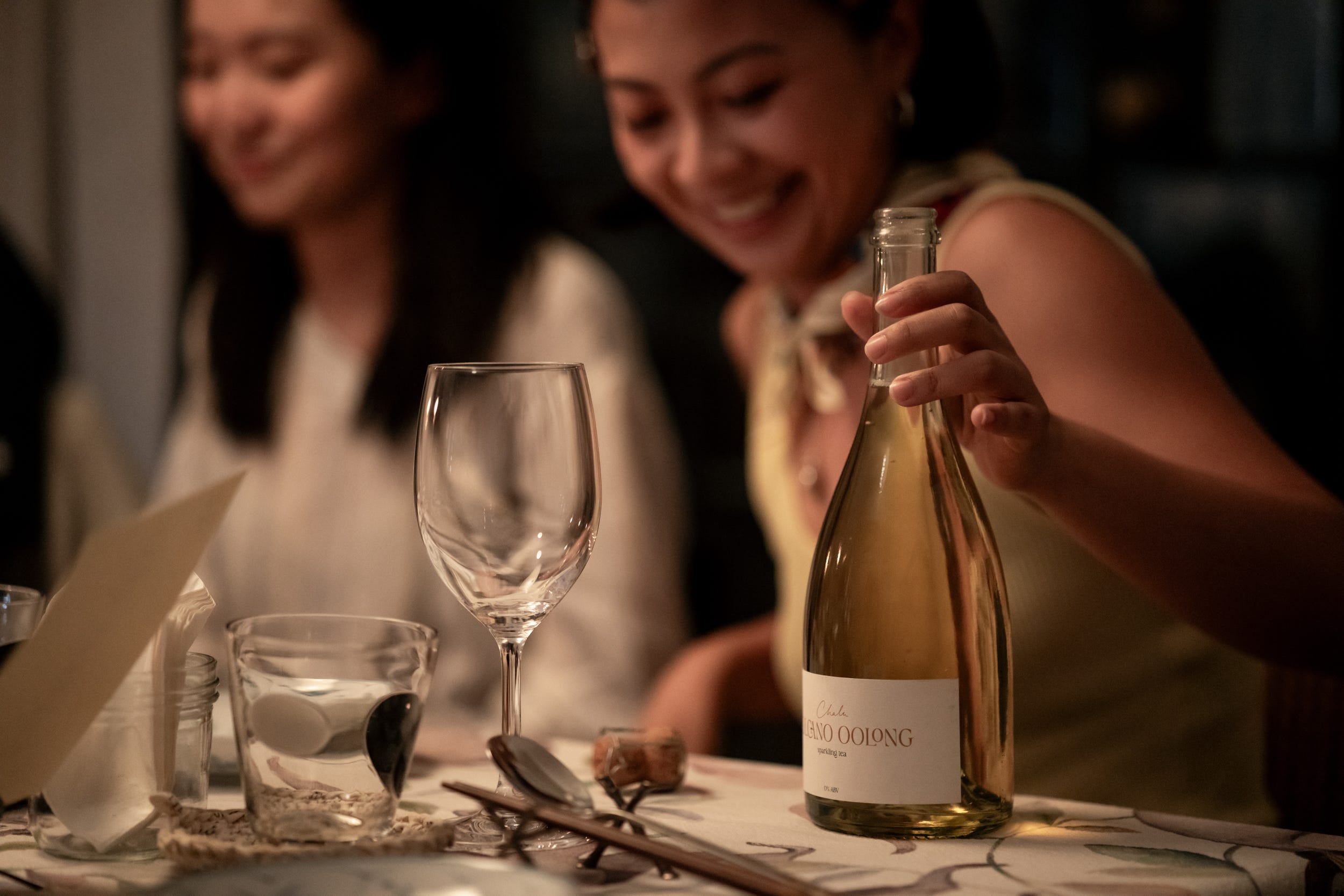
Creating sparkling tea that rivals the sophistication of wine isn’t easy. As Graeme explains, “If you’re going to be a luxury product, you need to be a complex product.” For Chalu’s oolong blend, the team experimented with multiple processing methods — green, golden, and black teas — all from the same volcanic plot in Tengchong, western Yunnan. The result? A layered flavor profile that balances grassy notes with deep honeysuckle undertones and a touch of charred oak. Or as Kennedy likes to say, “the same leaf, three ways.”
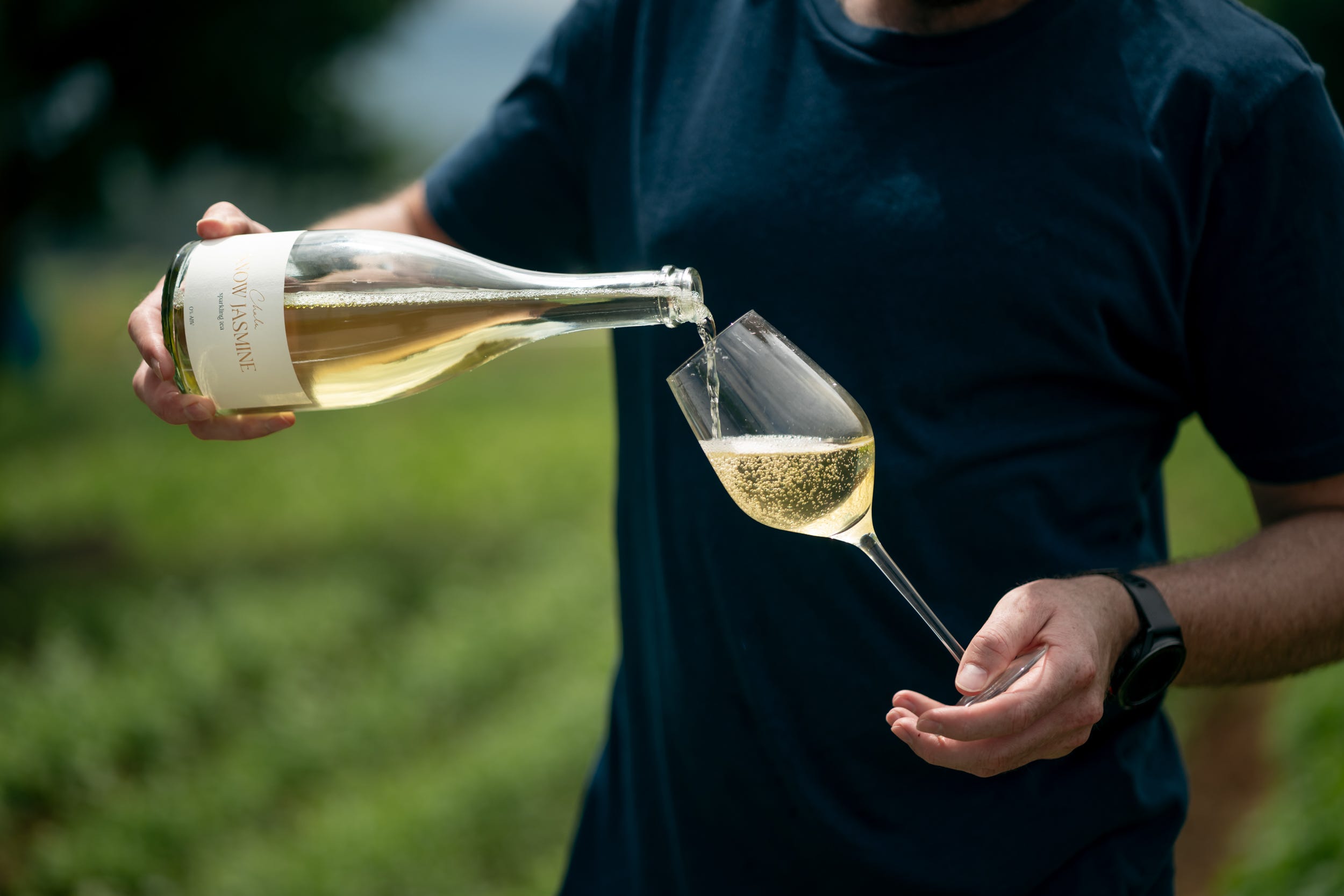
Even the bubbles matter. “We spent months perfecting the carbonation,” Graeme adds. “It had to feel like champagne — silky, elegant, celebratory.” From mineral-balanced water to oak resting techniques, every detail is designed to elevate the drinking experience.
Chalu debuted at the Rome Bar Show earlier this year — a gutsy move for a new brand. “We wanted discerning palates, people who’d challenge us,” says Kennedy. The gamble paid off: Chalu secured distributors in Italy, Belgium, the Netherlands, and Switzerland. A first container shipment to Europe is already en route.
The road hasn’t been smooth though. “We were really flying by the seat of our pants. As we didn’t understand Italian law, we had to print and hand-stick Italian labels onto the bottles just days before the show,” Kennedy laughs. “Nothing like a deadline to keep you humble.”

From Michelin-starred restaurants to upscale bars, Chalu aims to redefine what celebration looks like. The goal is not to replace Champagne but to offer a viable substitute for those who prefer no alcohol. “It belongs on the table next to a bottle of wine,” Graeme insists. “Not as an afterthought, but as a centerpiece.”
From the highlands of Yunnan to the bars of Rome, Chalu is more than a beverage; it’s a sparkling statement bridging tradition and innovation — and one that may soon appear on a table near you.
This article first appeared in the December 2025/February 2026 issue of DestinAsian
All photos by Graeme Kennedy