
Into the Wild
How a side journey on the way to climb one of China's most famous peaks, became an adventure all of its own

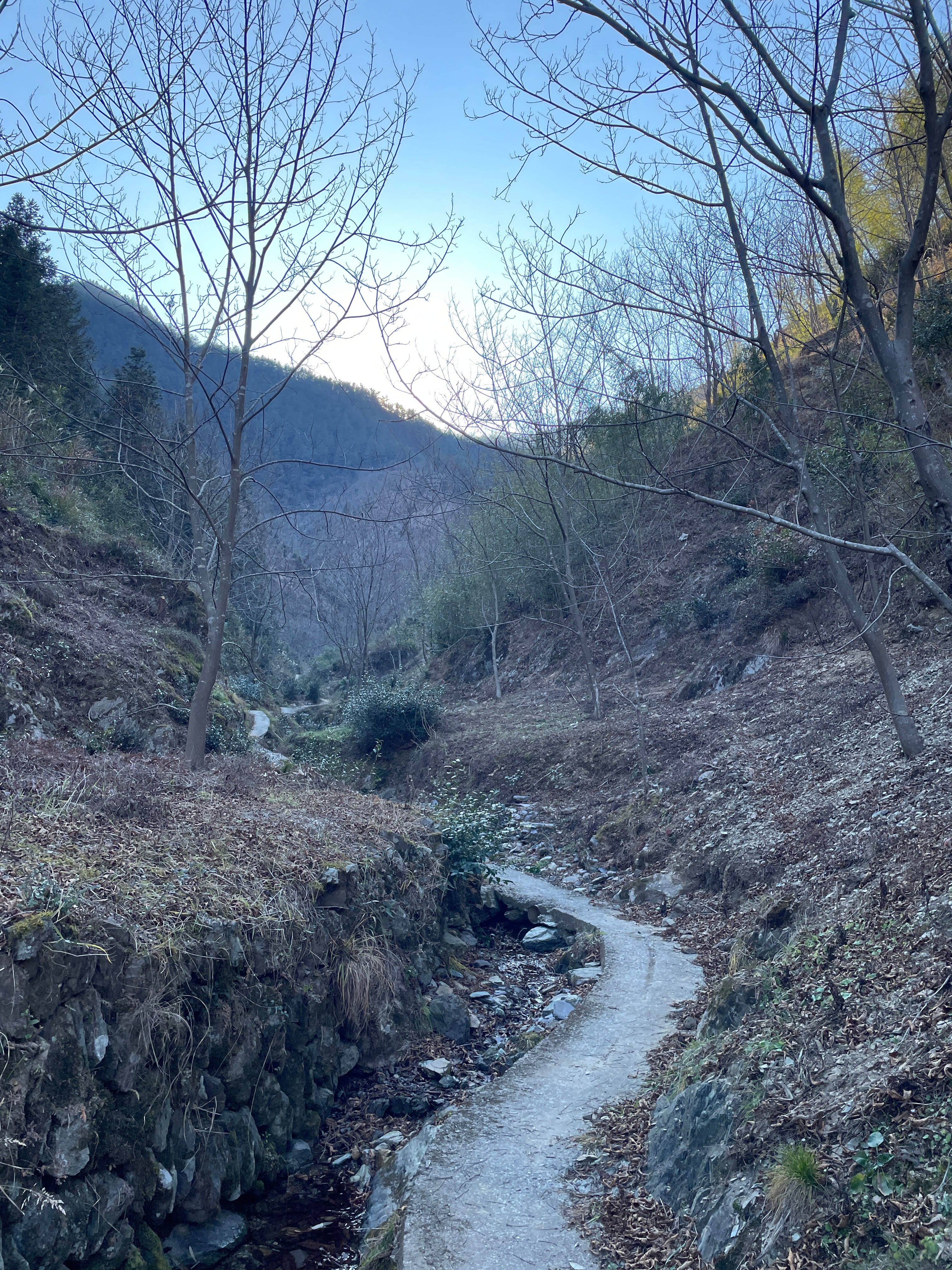
“I just need to get away from it all - somewhere remote, somewhere wild”
About a year ago I went on a hiking trip with my friend Lee (formerly of City Weekend, and now also in the schools marketing game). You read all about how we conquered Yellow Mountain, but what I didn’t mention at the time was the much wilder side trip we took on the way there and back. This story begins about as far from nature as it’s possible to be, in the heart of Hangzhou at the city’s gargantuan east railway station.
Still fairly new to the city, and mainland China, I’d somehow managed to find my way to the underground car park, where Lee was waiting. He’d rented a car, but not one of Hangzhou’s ubiquitous electric ones, we’d need a tank full of gas where we were heading. Where that was exactly, I wasn’t sure, but I had complete faith in Lee to get us there, despite the fact we’d only actually met in person just two months before.
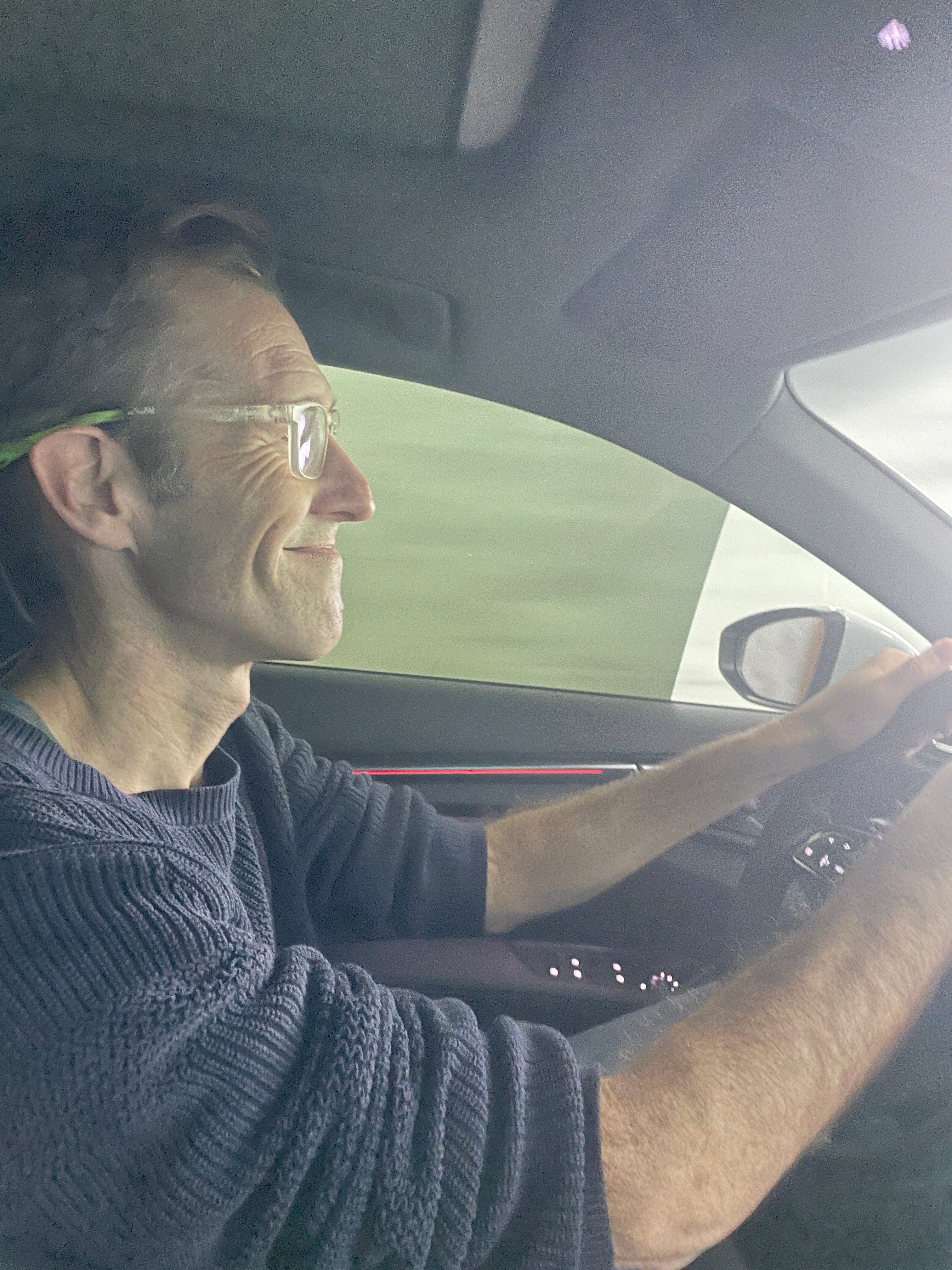
The odd thing was though, we didn’t feel like strangers. In fact, it felt like we’d known each other for 20 years, which, given our many shared connections, felt about right. As we slowly edged out of the city heading west, mountains appeared on the horizon - almost two thirds of Hangzhou municipality is actually countryside, the city hugging the northeast corner of the boundary. Our ultimate destination, Huangshan (Yellow Mountain), was actually in neighboring Anhui province, as was our first port of call.
Wild Homestay is not a hotel, it’s not even a guesthouse. It’s actually a collection of ten renovated village homes in the tiny settlement of Yingchuan. To reach it, as we did, you drive for two hours west from Hangzhou on the G56 motorway, before taking the Sanyang exit (if you miss it, you add another hour onto your drive, or so we were sternly warned). Trusting that you did turn off in time, it’s then a twisty 7 kilometer drive up progressively smaller roads until you can’t go any further. We parked the car in the only available lay-by, watched on by curious villagers building a small brick wall, then carried on walking up the hill with our luggage - Lee with a sensible backpack and duffle bag, and, city boy that I am, me with a completely inappropriate suitcase.
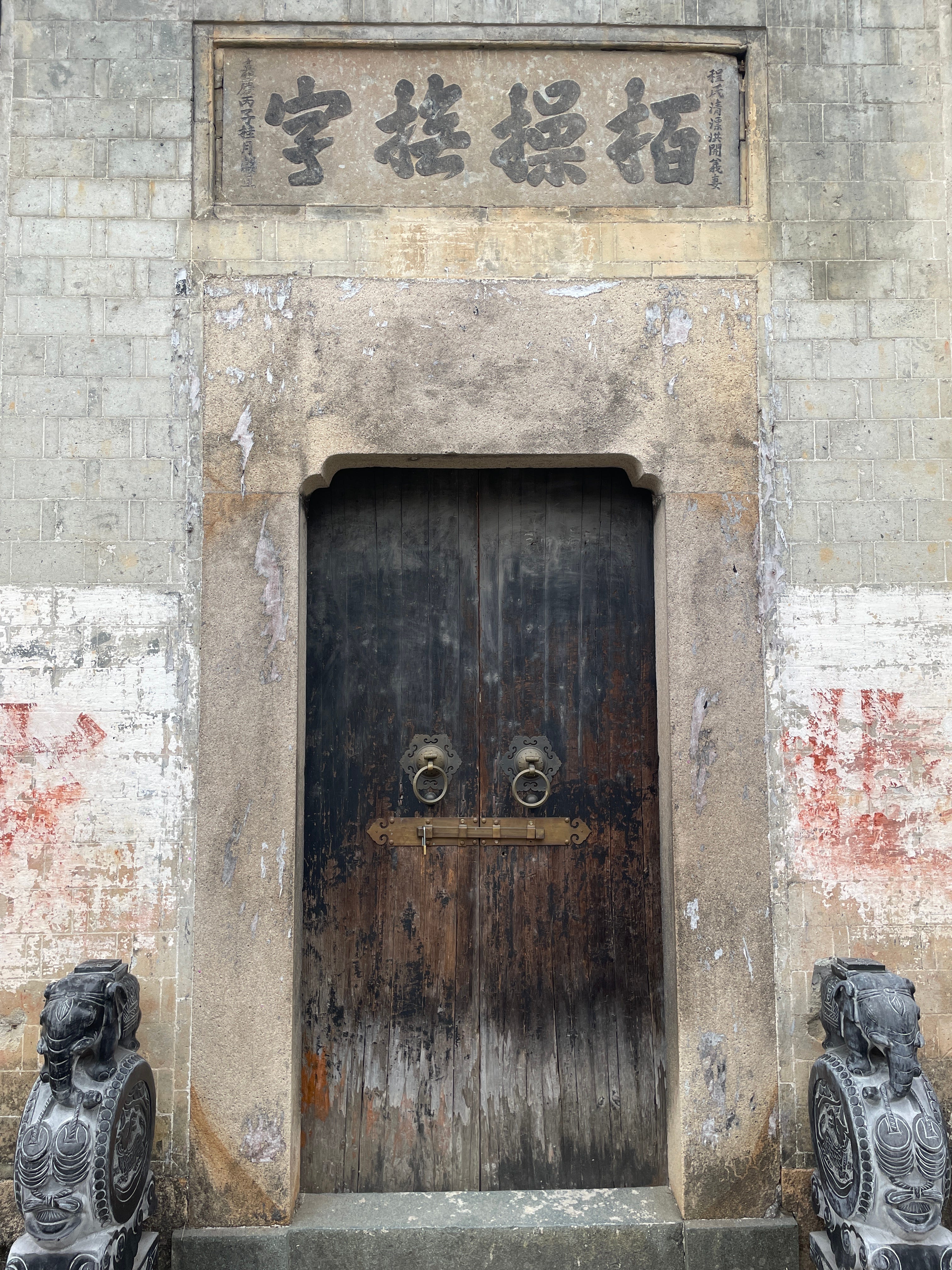
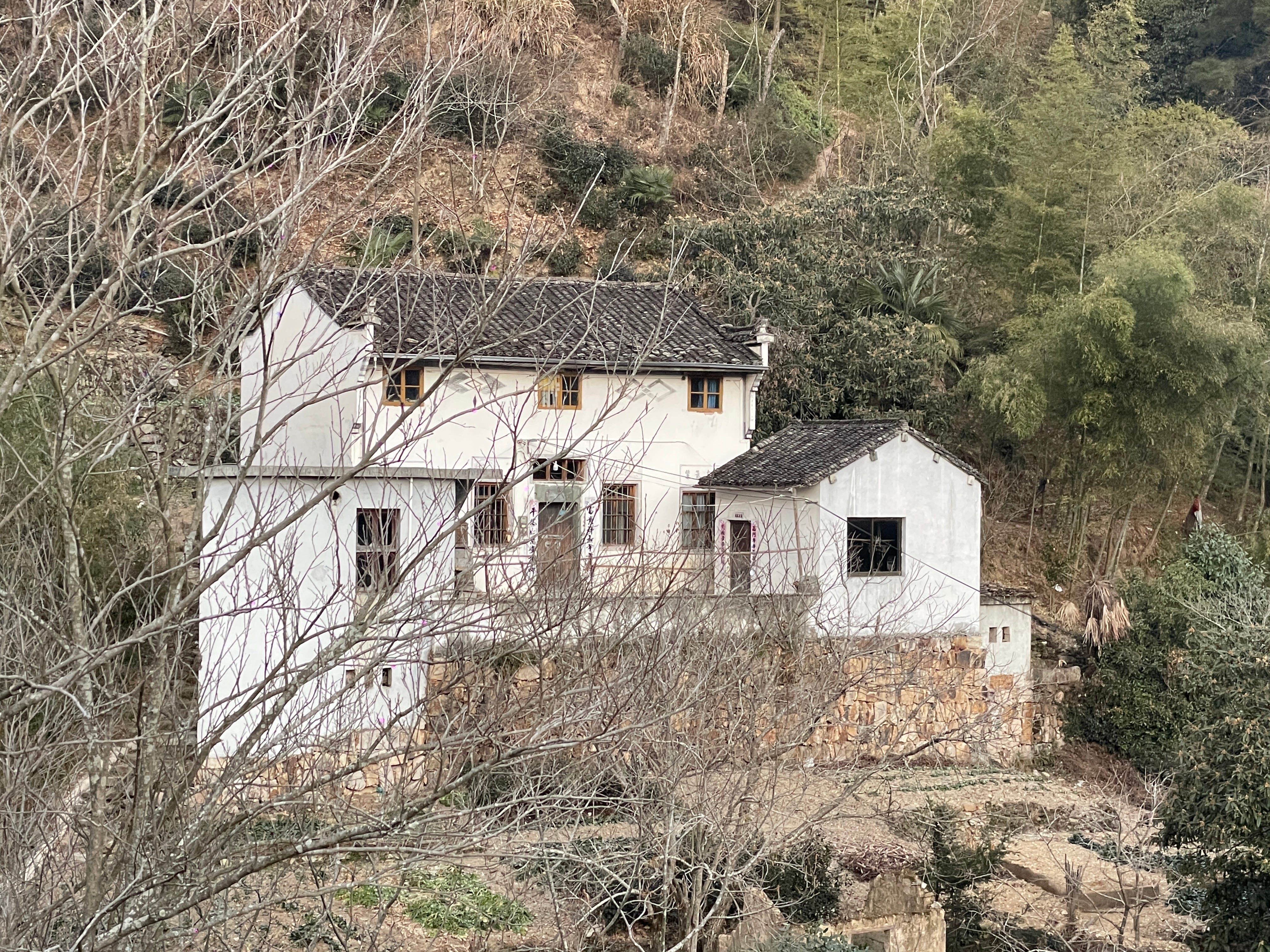
I followed him through small lanes as we twisted and turned upwards, before he ducked down a side passage and I found him waiting in a small courtyard, with a large open terrace, fire pit, and rectangular, whitewashed house (which describes 90 per cent of the homes in the village). Check-in was an informal affair, the counter also serving as the cafe, and as far as we could tell, we were the only guests. Our room for the night was a cosy one bedroom, Lee magnanimously offering to let me have the double bed while he slept on the single in the living room, with the caveat he got to keep the space heater (I would later realize this was a cunning move on his part).
As we had Huangshan to take on the next day, we kept things light and just went on a short hike through the village and up a small hilltop, before a hearty dinner of locally sourced food and a early night’s sleep. Our wild adventure would begin on our return.
Two days later, we drove back into Yingchuan elated but tired after our conquering of the mountain in near freezing temperatures. Wearily dragging our bags back up the hill (again questioning my luggage choices), we settled back into the same room and rested. After lunch, we set out to explore. We’d hit upon a path that ran by a stream, and thought we’d take it as far as we could. Heading uphill, the frigid waters looked tempting on the bright sunny day. We found our way through a small village and were about to head up into the hills when we were hailed by a couple of young local cadres - easily the youngest people in the village by at least three decades - who told us we weren’t allowed to go any further because of danger from ‘wild animals’. It seemed spurious, but we reluctantly retraced our steps, and found our way down to some boulders for a quiet rest. Lee slumbered while I built an inukshuk by the stream.
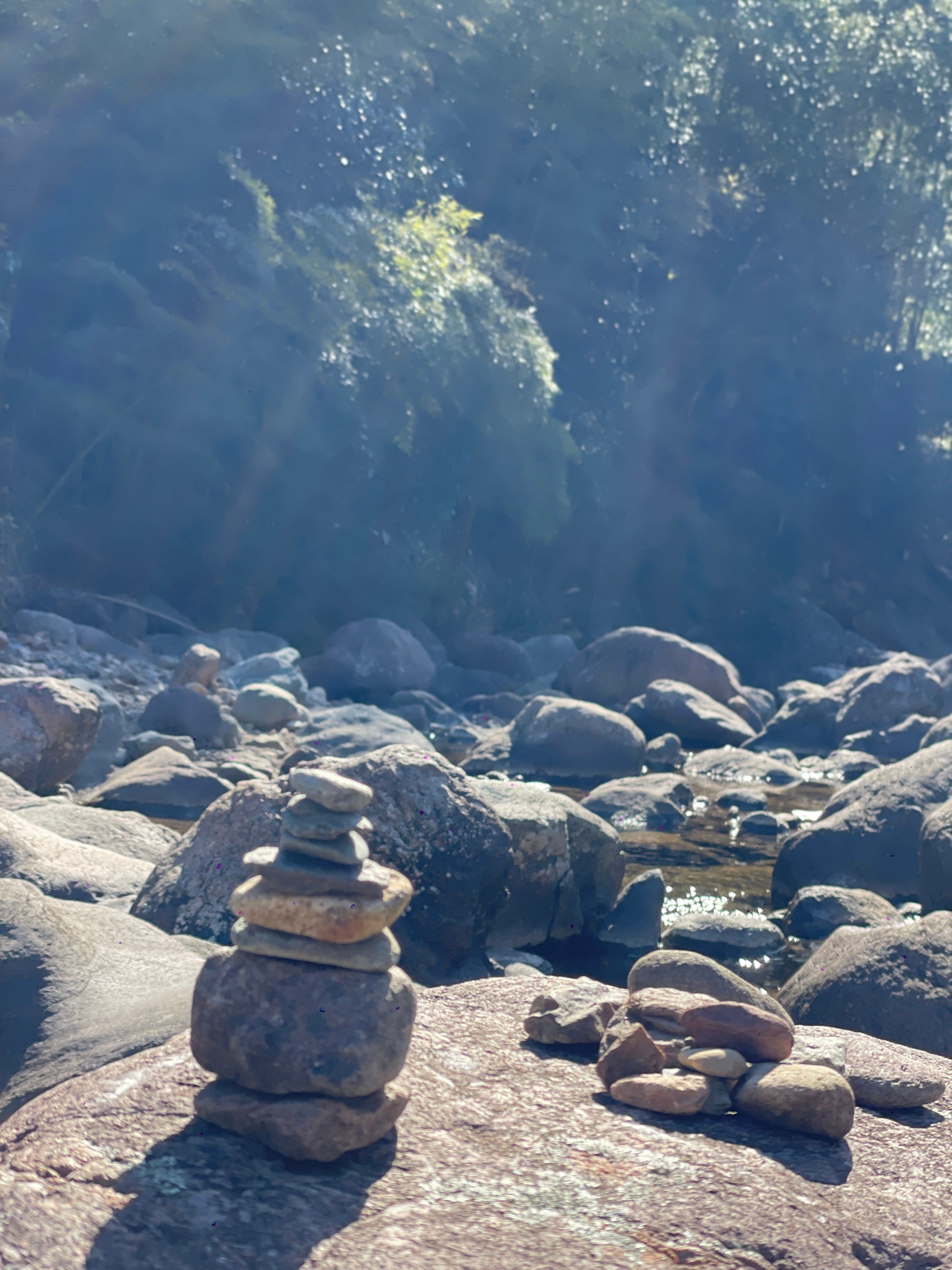
Evidently recharged, Lee suggested we take a detour back to our room via a hillside trail. Reluctantly agreeing, I’d assumed he knew which way he was going, but as it later turned out he was winging it the entire time. At one point we were separated before I backtracked and found him waiting on the correct path, before we found our way over the crest of a hill and promptly ended up lost in the tea fields. By this point, the novelty was wearing off, but - after dissuading Lee to jump down a three meter terrace - we found ourselves on a marked path, which probably had been there the whole time. The afternoon was spent sunbathing on the roof, surprisingly warm until the sun went behind the hill, and a simple but delicious local meal in the dining room, an experience much akin to eating dinner in a villager’s home, which we kind of were.
Although the last time we had encountered a few other travelers, this time the only outsiders in the village were me and Lee. In the warmer months, judging from the photos, the outside terrace is packed with families savoring hot barbecue and cold beers, but with the temperature rapidly dropping we instead hunkered down inside over room temperature red wine. Swapping old war stories about China back in the early 2000s, and reflecting on our recent climb, we planned the next day’s hiking.
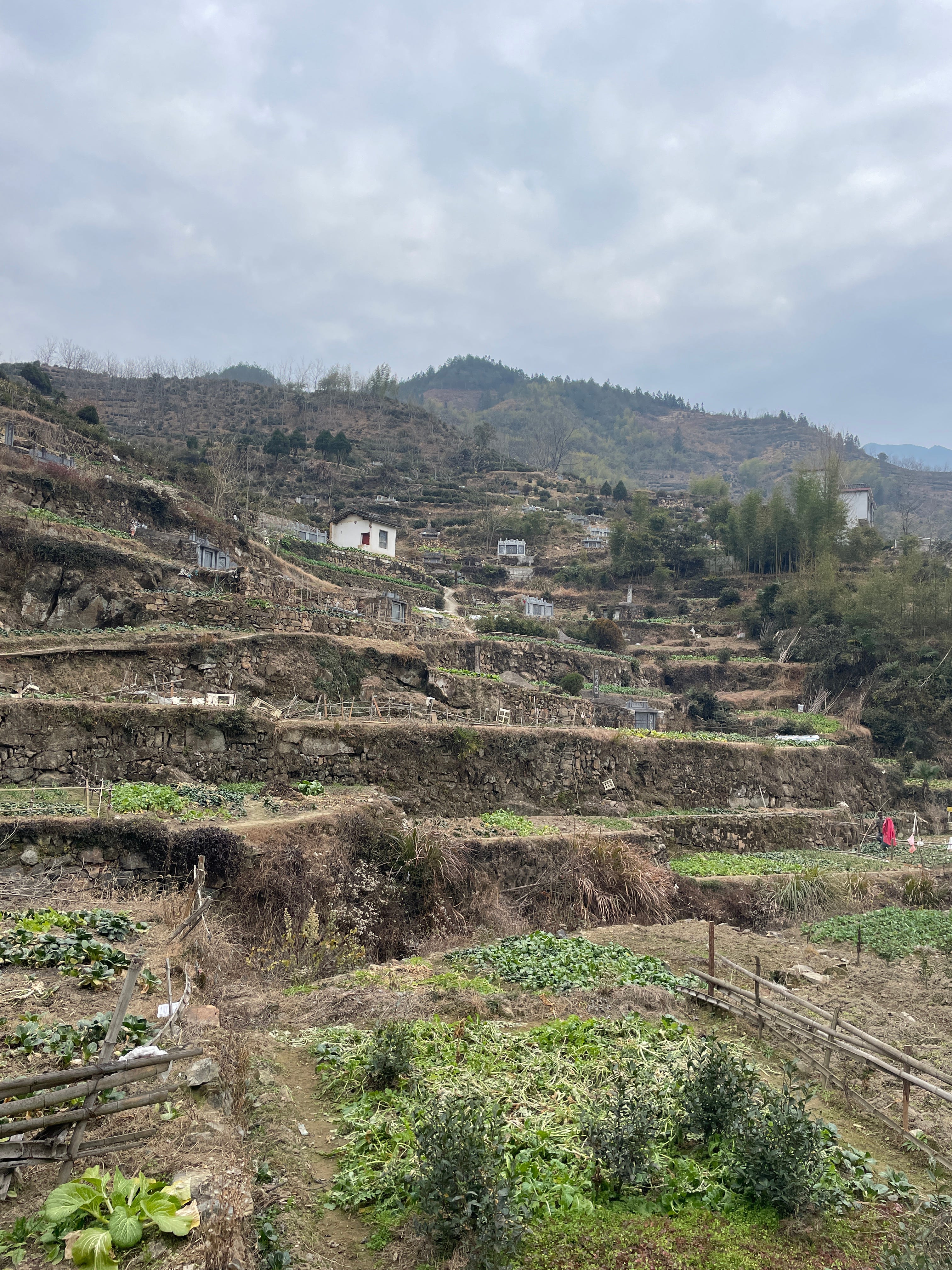
After a cool and refreshing night’s sleep (while Lee snuggled up to the radiator), we hit breakfast and then took a trail Lee had been on before. This one wound its way up through cultivated farmland, a few houses with barking dogs, and the odd grave. Soon it was just us and the farmers on the way to harvest their crops. Out of sight of the village now, we plowed on until the path petered out. Undaunted we struck out across a field, until the bush became thick and foreboding. Whether it was trying to relive our youth or just plain obstinance in not wanting to turn around, we headed down into a gulley from where it looked like we could reach a creek. Miraculously not twisting an ankle, we managed to clamber up some boulders and out the other side.
To our right was an impenetrable bamboo grove, so we struck out onto the hillside, following a small path that seemed to lead back to civilisation. After making our way precariously along the steep slope, we eventually picked up a worn trail back to the village - at which point a local farmer came traipsing back through the rather obvious gap through the bamboo grove, no doubt inwardly laughing at the silly foreigners. Still, there’s something to be said for getting lost, and it reminded me of my youth spent in the hills around Mount Butler, the hillside complex where I grew up in Hong Kong. On the way back, we passed several pigstys, hardy vegetables growing in small rows, and an old lady carrying two full wooden buckets on a bamboo pole - fertiliser for the field, and the most organic type you’ll ever find, ‘night soil’ from her home.
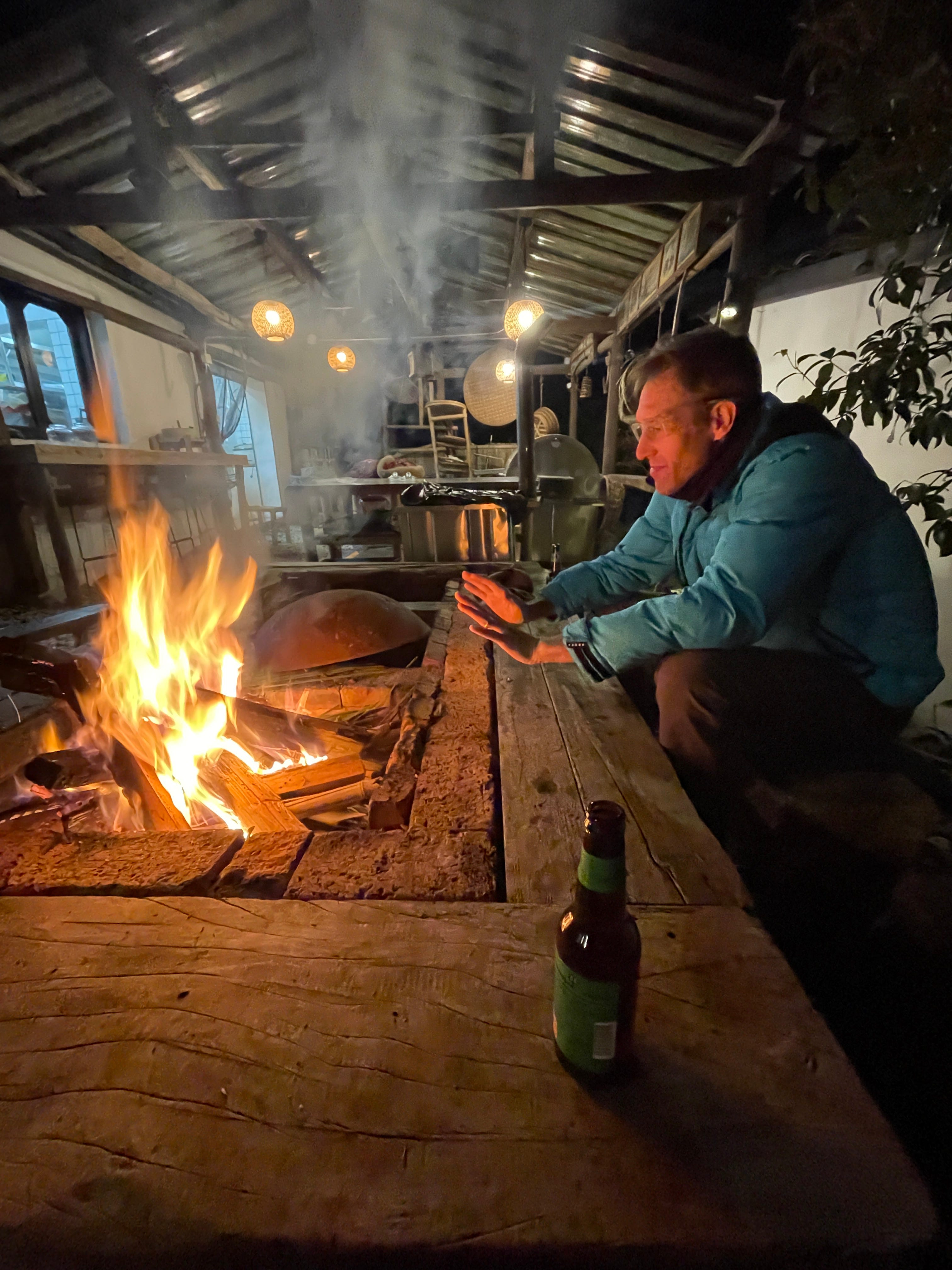
That evening, the Wild Homestay staff set up a roaring log fire for us in the outside courtyard, and - our faces glowing from the flames, our bodies warmed by the heat, and our bellies fuelled by the beer - reflected on the the day’s adventure, the time on Huangshan, and how much has changed in China since the heady days of 2004, the year I first arrived (Lee has been here even longer). Out here in the countryside, it seemed not very much. The people mostly live the way they always have, and the landscape remains raw and rugged. The only difference really? That we get to visit.
Next month we go back.
I chuckled when Lee got the space heater in a cunning move haha