
Head in the Clouds
A new apartment in Nanjing by Adda Di’An provides its owners with a place of release

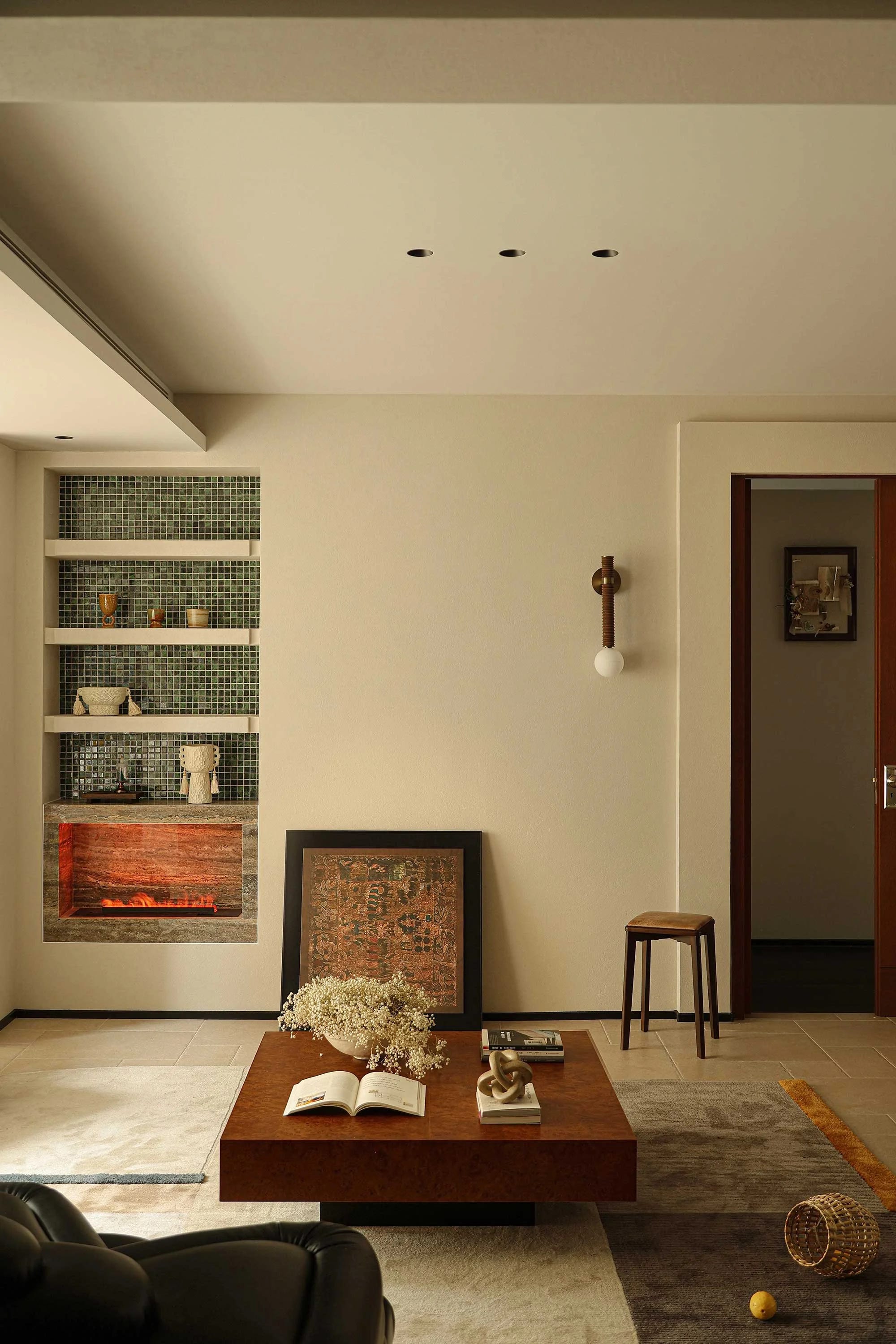
“When the clients first approached me for this project, their core request was creating a forever home for their marriage,” says Akon Tang, co-lead designer at Nanjing-based studio Adda Di’An. “The philosophy of ‘long-term living’ immediately took root in my mind.”
Most of Akon’s clients live in their houses for 5, 10 years, or even longer. “If a design flaw were to affect their daily life, I would carry that guilt with me indefinitely,” he shares. “For every project I take on, I strive to build a life-centered space for my clients, leveraging my creative expertise and design sensibility to craft a home that grows and ages with them.”
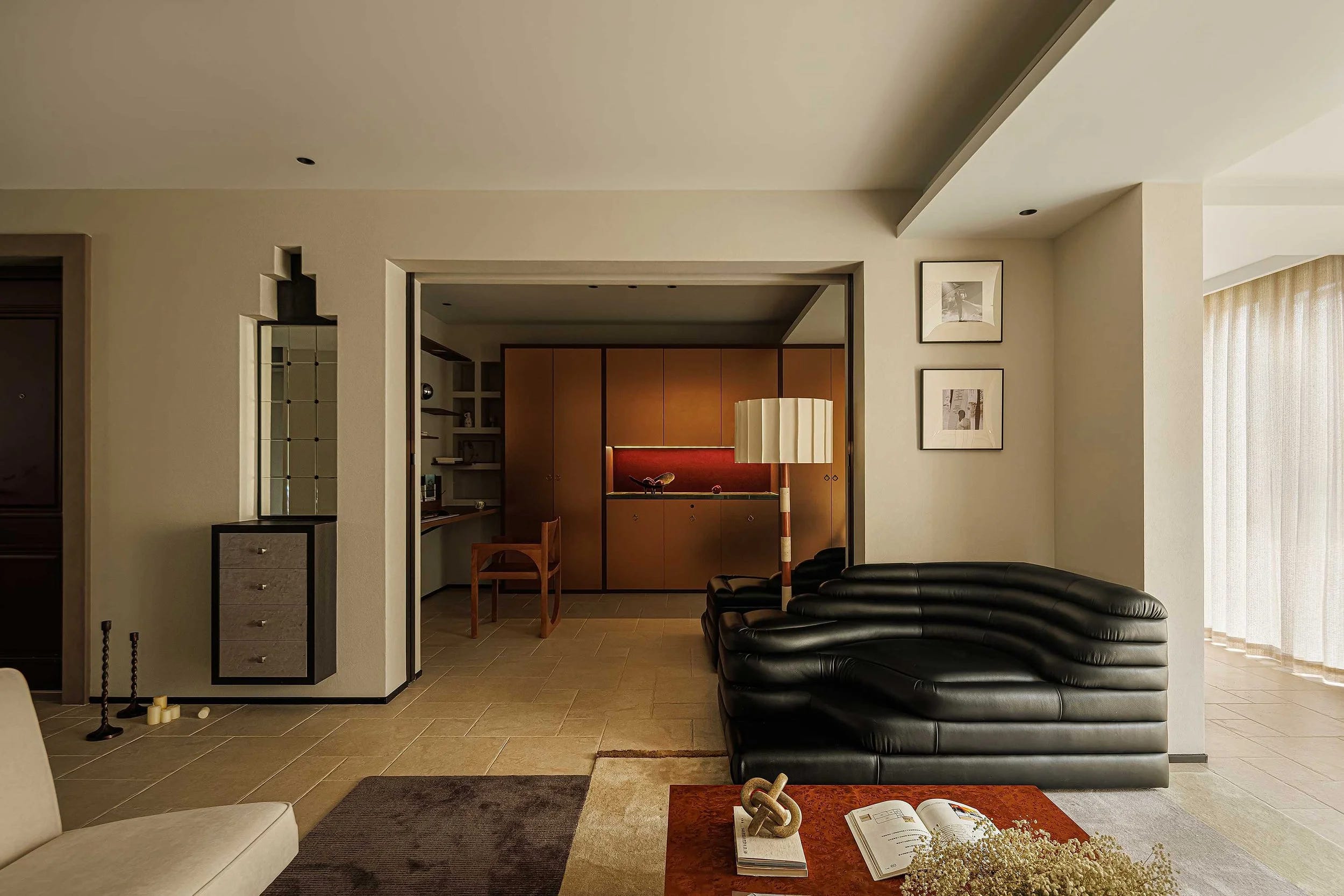
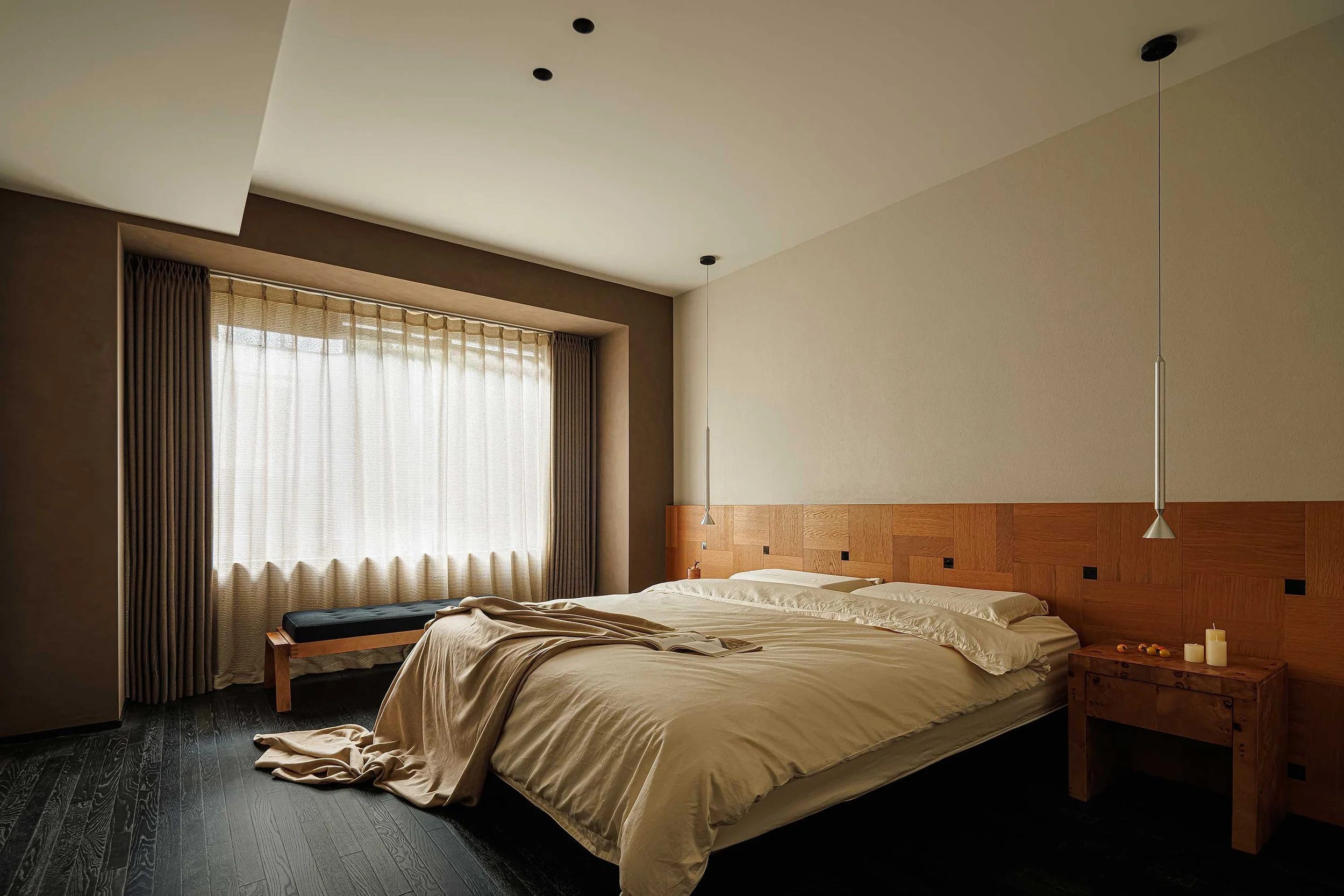
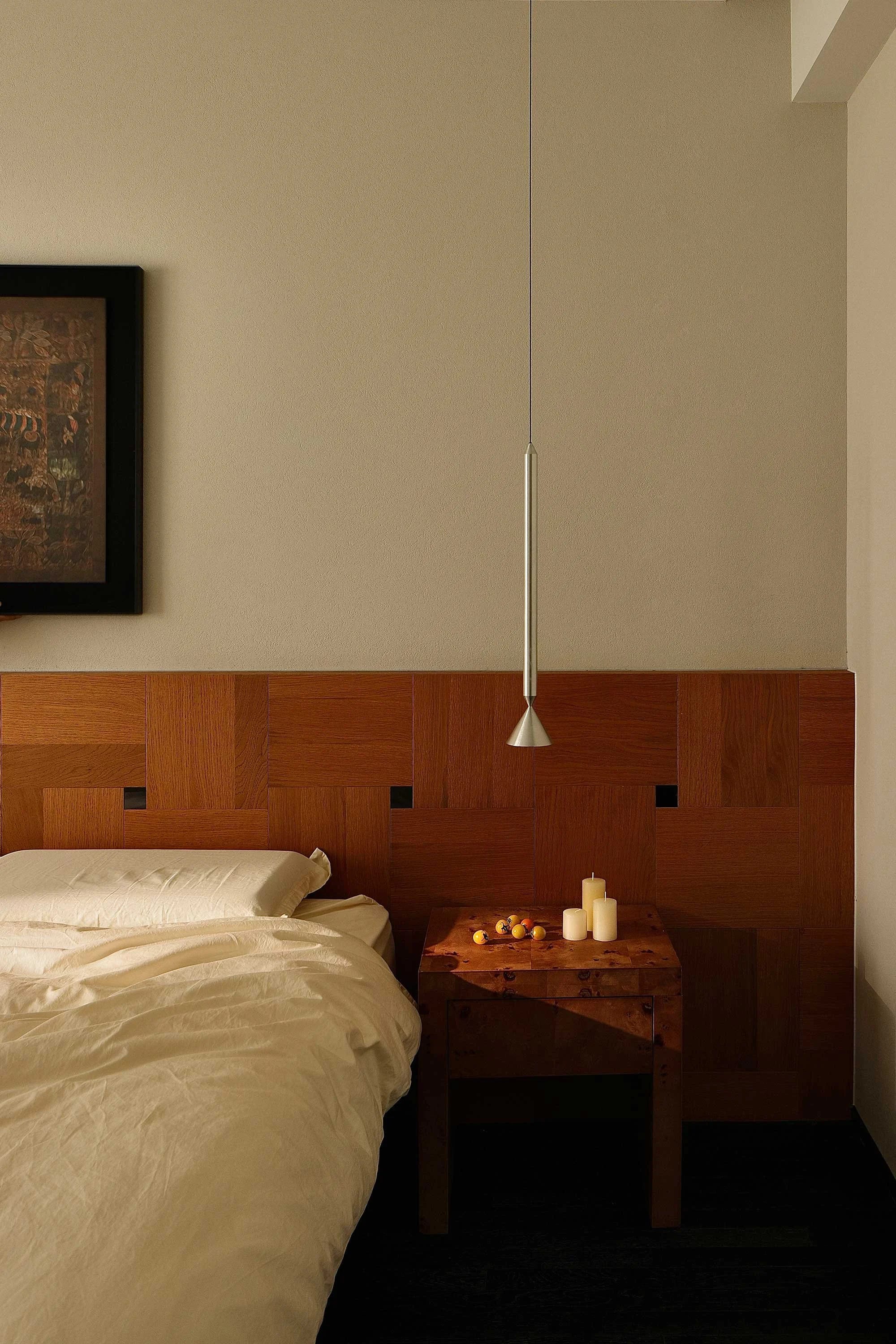
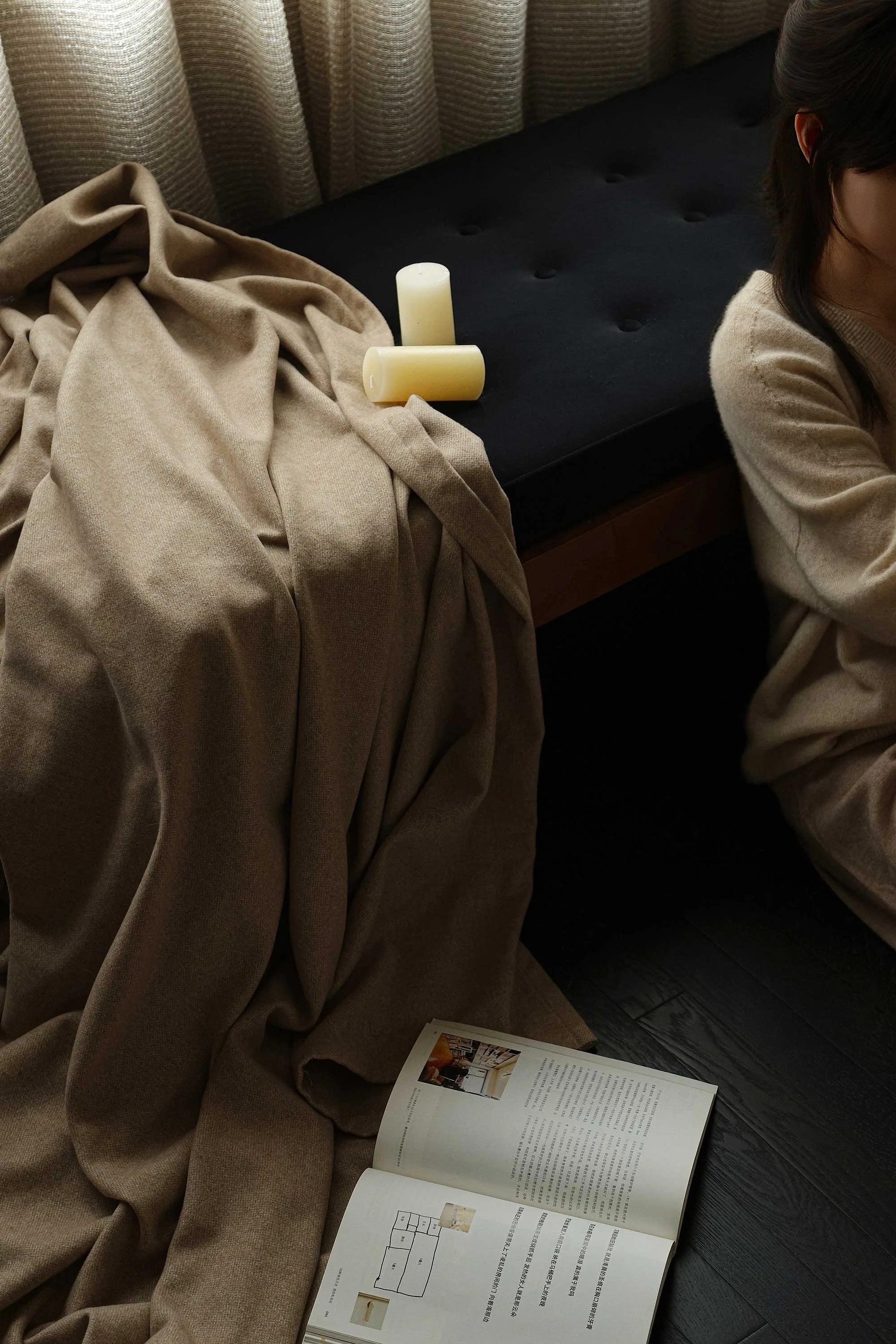
The apartment, dubbed ‘Cloud Dwelling’ for its dream-like state, is wrapped in soft cream and apricot tones, creating an almost cocoon-like atmosphere, the colour shaping the way light and spaces are perceived. Tang says the main palette needed to evoke a sense of calm and inclusivity, with tactile, grainy textures giving the interior an organic, unforced quality. Whether in the morning or at night, the space invites guests to take a deep breath.
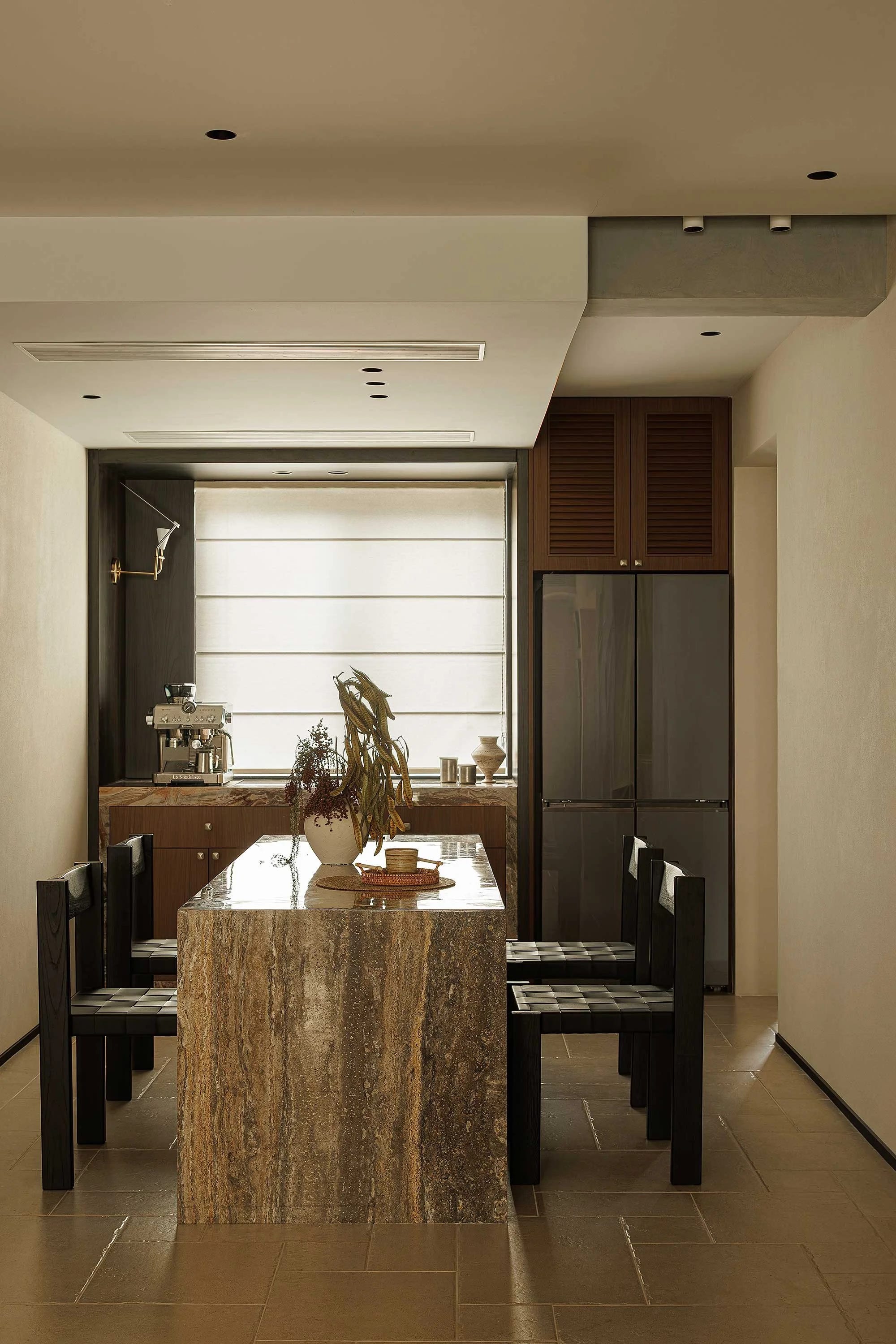
The choice of materials was key to the project, explains Tang, from burl wood and dark walnut to marble and micro-cement. “A core consideration when selecting materials was ensuring a sense of naturalness,” he says. “All of them feature highly distinct patterns, selected to foster a calm, serene atmosphere. By pairing them with their functional purpose and placing them thoughtfully, we avoid disrupting the space’s tranquil mood.”
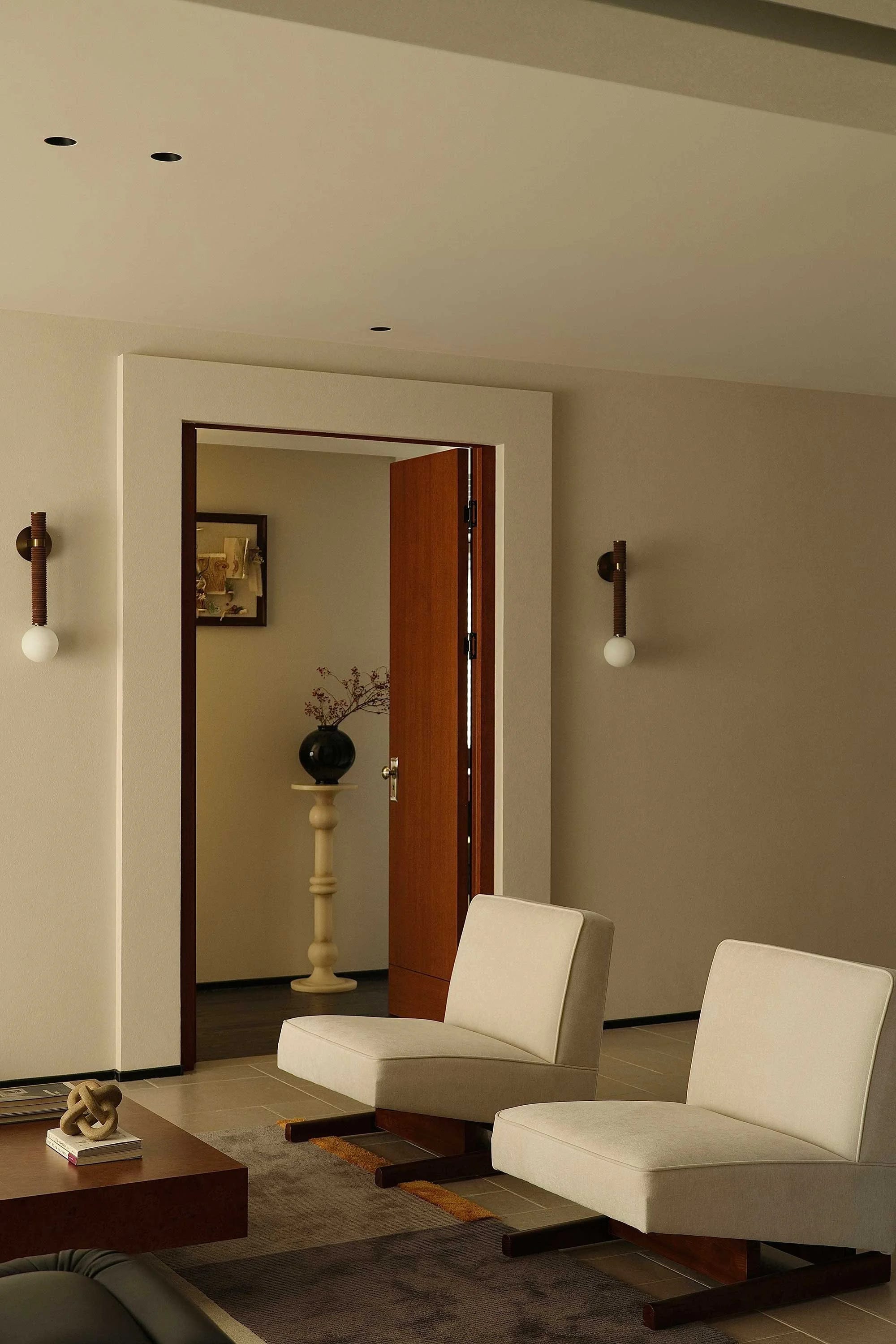
Tang speaks of a philosophy of respecting the life of materials rather than overpowering them. Which begs the question, at what point does a material stop being expressive and start becoming decorative? “The right materials belong in the right spaces – understated, unobtrusive, and perfectly harmonious as a whole. If any form or material in a space instantly draws all the attention to itself, it merely becomes superficial decoration.”
Spatially, the apartment is guided by a concept of “boundlessness,” as Tang describes it. I ask him what that idea means in a residential setting, and why it felt important here. “What I understand as boundless residential design is not the absence of zoning,” he explains, “but rather visual transparency, flowing circulation, and flexible functional transition.”
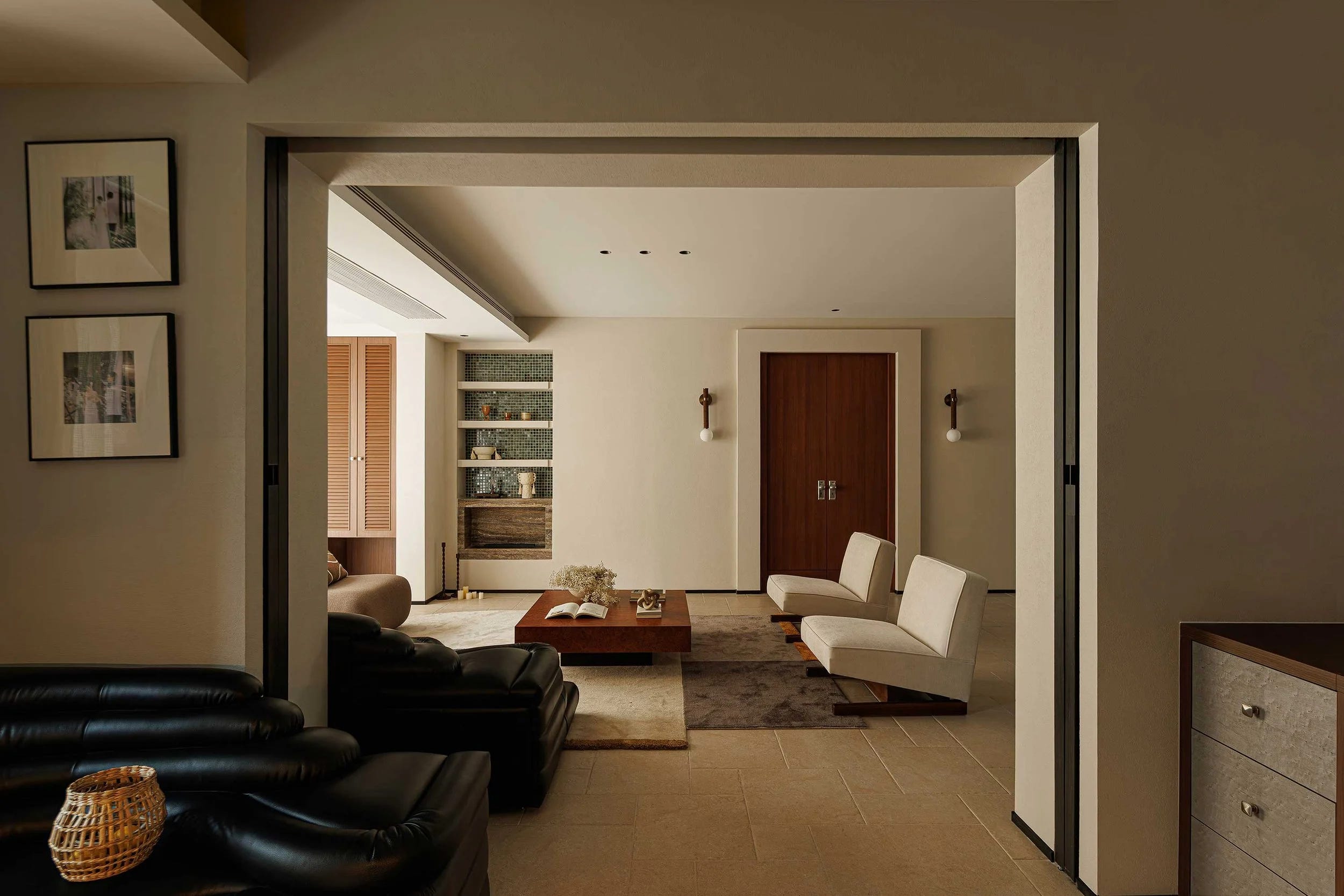
Indeed, the living room, dining area, lounge and daily living space blend seamlessly with one another, without rigid and abrupt boundaries. This concept is particularly vital to the Cloud Dwelling Apartment – the residents are a young couple with rich and varied lifestyle needs for the years ahead: personal quiet time, working from home, small gatherings with friends, and casual relaxation. All of these require spaces that can freely switch scenarios.
Within the interior, pocket sliding doors allow the home to shift between openness and intimacy, flexible partitions that allow public and private circulation paths to be either separated or integrated at any time. Rather than letting residents adapt to the space, the space itself actively accommodates the couple’s different daily routines, social needs and demands for privacy. When the doors are closed, the space becomes much more inward and contemplative; when they open up, it lends itself to connection and conversation. “To make both states feel equally authentic, I did not create a functional divide,” says Tang.
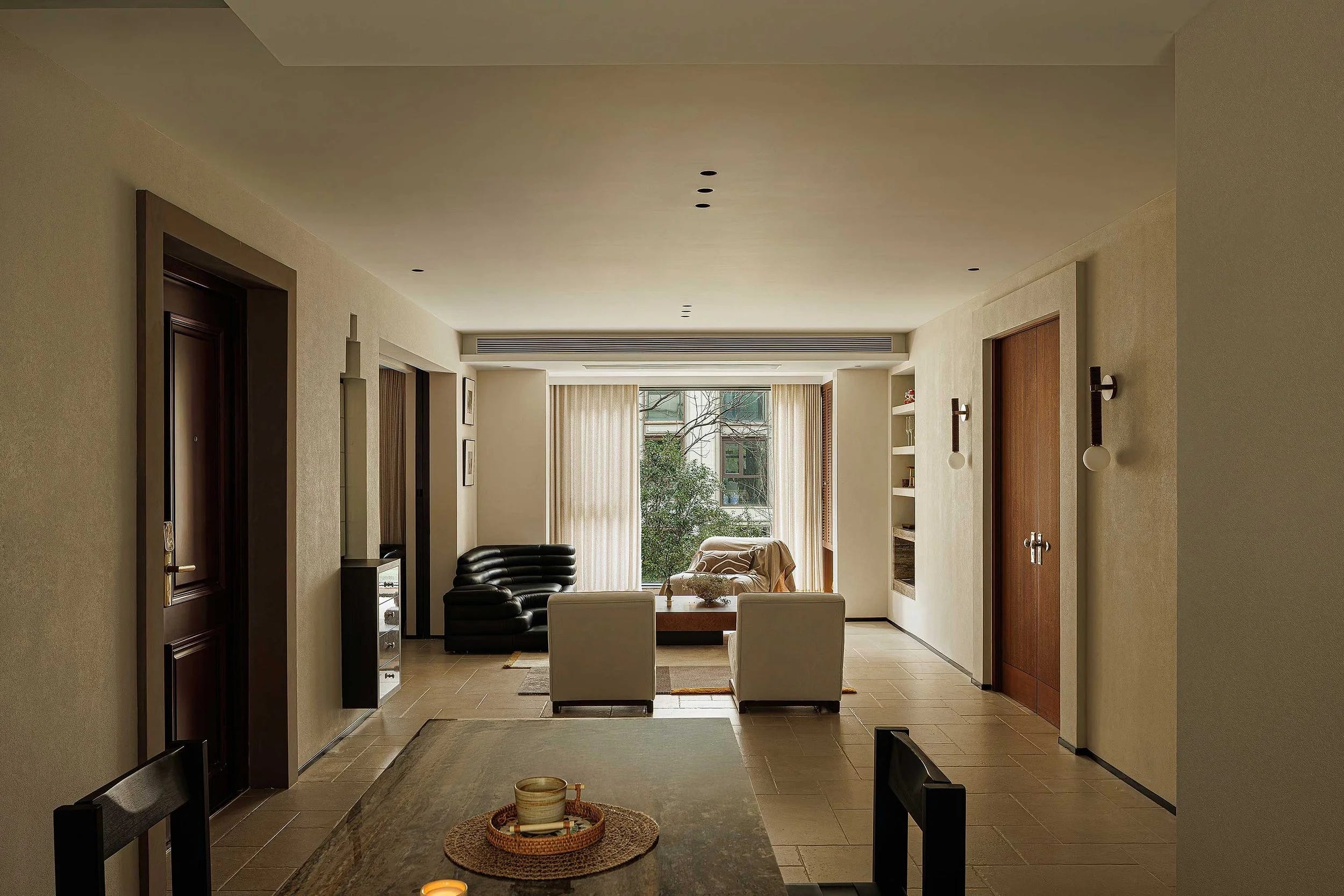
When it comes to lighting, Tang opted for a no-main-light scheme built on diffusion and reflection. “Lighting is really the breath of the space, and I aimed to create an unforced, understated sense of calm through it. I intentionally minimized the presence of the fixtures themselves, letting light be the hero rather than the form.” This approach keeps the space visually undivided and free from overemphasis by localised light sources, with the overall atmosphere making people feel relaxed in the space, rather than controlled by lighting.
Noticeably, the apartment changes subtly from morning to night – calm at dawn, warmer by afternoon, restful in the evening, a seemingly deliberate choreography of light and time. However, Tang does not take credit for it. “I did not intend to deliberately choreograph the interplay of light and shadow. Instead, I respected the inherent rhythm of natural daylight, allowing the interior lighting to gently echo the passage of time. This is what I value most in designing long-term residences: the space moves with time, and life settles quietly within.”
Creating Emotion in Space
The phrase ‘less is more’ has deeply shaped Tang’s design philosophy. For him, when the atmosphere of a space feels complete, there is less of a need to fill it with objects. He says that by removing the need for decorative pieces, you do away with the visual noise they create. However, with their work Adda Di’An try to avoid being typecast with a single style. “At the start of every project, we share one key message with our clients: the design of their home will be one-of-a-kind, and never replicated from any of our previous works,” explains Tang. For him and the team, the design should be as unique as the people who live there.
While the positioning of Adda Di’An emphasises experimentation and playfulness, their final work, like Cloud Dwelling, feels deeply composed, so where does experimentation sit within a project that prioritises stillness? “Every design studio has its own philosophy, but as residential designers, we cannot design for ourselves,” explains Tang. “Meeting the resident’s needs always comes before aesthetic ideals, but while this project feels quiet and restrained, it was actually a first attempt for us – and it is deeply experimental.”
Tang describes the home as a place for natural breathing rather than deliberate design, and I ask him if there’s a particular detail in the apartment that best expresses this approach. “In the living room and study, there are two modular sofas placed back-to-back. I had been thinking about how to connect these two spaces, and then, quite unexpectedly, I came across this set of sofas, which fit perfectly. This, to me, is the essence of unforced design.”
With Cloud Dwelling now in the hands of its owners, and Adda Di’An having moved onto new projects, Tang still has strong hopes for the space. “I don’t want people to remember a particular aspect or material. Instead, I hope they will carry a feeling with them long after leaving. When residents or visitors think back to this home years later, I want them to recall a quiet sense of calm: the feeling of being held, gently wrapped in warmth, and of slowing down the moment they step inside. This emotional resonance lasts far longer than any visual impact, and it is the heart of what I believe long-term residential design should be.”
Sense and Sensibility
Having interviewed many designers and architects, the profession often feels less like a career choice and more like a calling. I’m curious as to the inspiration that drives Tang. “My partner, Darren Zhou, and I travel the world every year for study tours, where we seek out the footprints of architects like Mies van der Rohe, Le Corbusier, Louis Kahn, and Gaudí, to experience firsthand the language and emotion of buildings conceived decades ago.”
As Tang relates, few architects complete more than a handful of projects in their lifetime; many more take shape long after they are gone, imbuing architecture with deeper meaning and life. “While we may not share that scale of legacy, as creators of living spaces, our work also stays with our clients for years. This sense of purpose keeps us rooted in our practice.”
Tang began his career working in various small design studios, where clients were primarily developers or investors, and where the work was heavily commercial and often lacked emotional warmth. He quickly realised his true passion was creating spaces with feeling, and became an independent designer. Zhou, though, trained and worked in residential design firms, where he encountered a range of homeowners. As he grew in his practice, he came to believe strongly in the importance of staying true to one’s design philosophy. “Our differences have become our greatest complement: my sensibility gives the space warmth and emotion, while his rigor ensures those feelings are solidly built and brought to life.”
Founding a studio is as much about shared values as shared skills, and for Tang and Zhou their alignment unfolded gradually through conversations and collaborations. “We talked about our belief in ‘long-term residential design,’ our commitment to ‘emotion in space,’ and the impact of architects like Mies van der Rohe and Louis Kahn on us,” recalls Tang.
“We realized that even though our paths were different, our core values were the same: neither of us wanted to create disposable, trend-driven projects. We both believed in design that stays with people for years, and in the warmth a space can hold. That’s when we knew that beyond complementary skills, our shared outlook on design and life was the real foundation for building ADDA Space Architecture.” To build, perchance to dream.
This article first appeared in the online edition of Design Anthology in June 2026
Loved reading this, Simon. Fellow seems as much artist as designer. Send him over to the USA, we could use a dose of his style!